Safety Compliance Before Property Changes Hands
Elevator Escrow Inspections in Sacramento for properties requiring compliance verification during sale or transfer
Awesome Elevator Inc conducts elevator escrow inspections in Sacramento for commercial and residential properties undergoing ownership transfer. These specialized assessments verify that elevator systems meet current safety codes and operate within regulatory standards at the time of sale. Buyers, lenders, and municipalities rely on these inspections to confirm that the equipment will not present compliance issues or require immediate corrective work after closing.
The inspection evaluates safety mechanisms, operational health, and code compliance specific to the equipment installed in the building. Documentation from this process establishes whether the elevator meets local jurisdiction requirements and identifies any violations or deferred maintenance that could affect the transaction. Many commercial property sales cannot proceed without this verification, as lenders will not fund loans on buildings with unresolved elevator code violations.
Schedule an escrow inspection to confirm compliance status before your closing date.
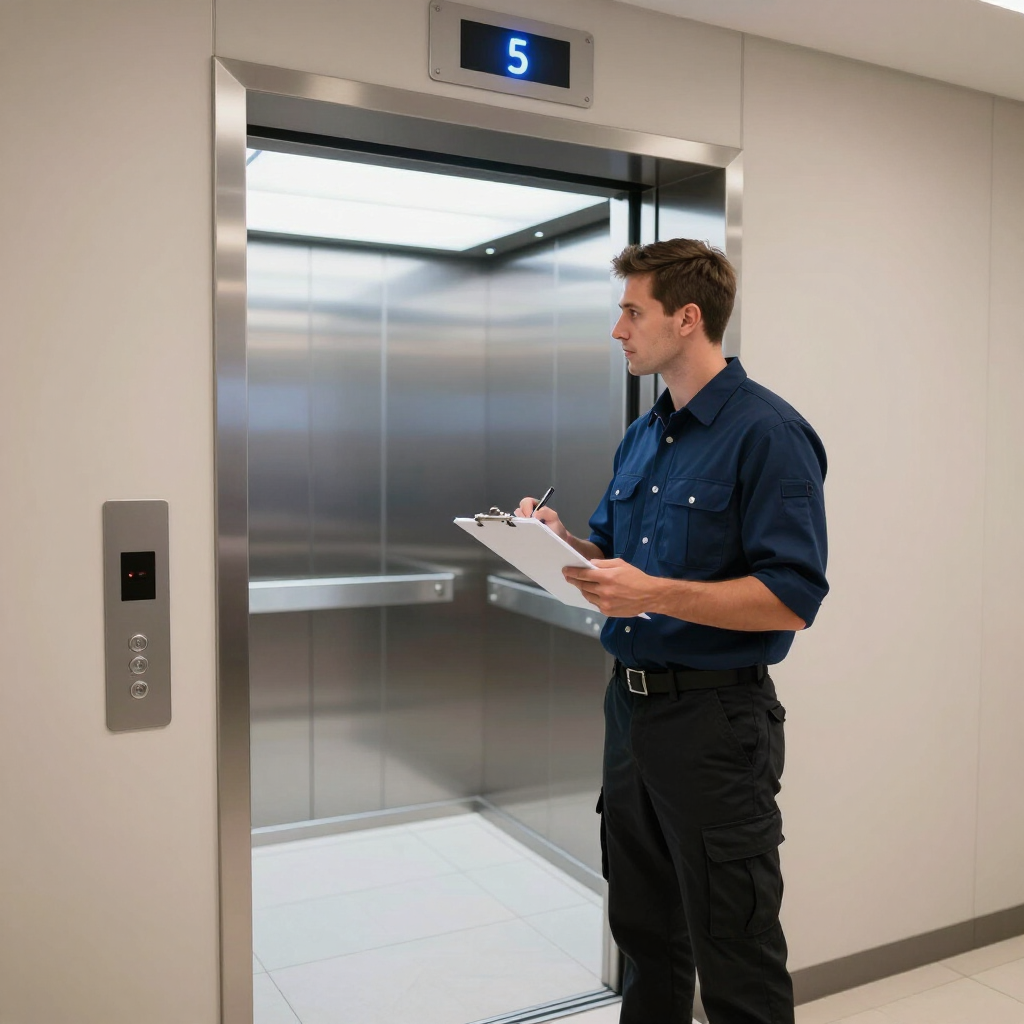
What an Escrow Inspection Covers
The inspection begins with a review of maintenance records, testing logs, and any prior violation notices to establish the elevator's compliance history. The technician then performs operational tests on safety devices including door locks, interlocks, emergency brakes, and governor systems to verify each component functions as designed. Code requirements vary based on the age of the equipment, so inspectors apply the standards that were in effect when the elevator was installed or most recently modernized, along with any retroactive safety mandates added since that time.
After the inspection, you receive a detailed report that lists all tested components, identifies any deficiencies or code violations, and provides cost estimates for required corrections. Lenders use this report to determine whether repairs must be completed before funding, while buyers reference it to negotiate responsibility for correction costs. The report becomes part of the property's official record and may be requested again during future transactions or audits.
In some cases, minor violations such as outdated inspection certificates or missing signage can be resolved quickly, while major issues like failed safety devices or outdated control systems may require substantial investment. The inspection separates cosmetic wear from functional safety concerns, so all parties understand which items genuinely affect compliance and which represent deferred upgrades.

Questions About Escrow Inspections
Property transactions often raise specific questions about timing, compliance standards, and what happens when violations surface during the inspection process.
- What triggers the need for an elevator escrow inspection? Lenders typically require an escrow inspection when financing commercial property with elevator systems, and some municipalities mandate it as part of the transfer process to ensure new owners inherit compliant equipment rather than unresolved violations.
- How long does the inspection take to complete? Most escrow inspections require two to four hours on-site depending on the number of elevators and the complexity of the systems, with the written report delivered within three to five business days to meet escrow timelines in Sacramento.
- What happens if the inspection uncovers code violations? The report documents each violation along with the correction required to achieve compliance, and the buyer and seller negotiate who will fund the repairs or whether the sale price will be adjusted to account for the work.
- Why do older elevators sometimes face more scrutiny during escrow? Elevator codes have evolved significantly over decades, and while older equipment may be grandfathered under original installation standards, certain safety features like seismic brakes or updated fire service controls may now be required regardless of the equipment's age.
- How does an escrow inspection differ from a routine safety inspection? Escrow inspections focus on compliance status at the time of property transfer and produce formal documentation for legal and financial purposes, while routine inspections verify ongoing operational safety and may not generate the detailed reporting lenders and municipalities require during transactions.
Awesome Elevator Inc provides escrow inspection services that meet lender requirements and municipal standards throughout the Sacramento area. Request an inspection early in your transaction timeline to allow time for any necessary corrections before closing.